Build-to-Rent (BTR) Property in Australia
Build-to-rent, or BTR, is the institutional-grade residential rental asset class that has dominated urban housing across the United States and parts of Europe for decades. In Australia it has been developing since 2018. A BTR building is purpose-built for long-term rental rather than strata-titled for individual sale: a single owner, typically institutional, holds and runs the whole block as a multi-tenant rental enterprise.
Strip it back and BTR is residential property run on commercial-property economics. The income is rent from individual tenants, a professional operator manages the asset at scale, and the ownership structure is institutional in form but increasingly open to private capital through indirect vehicles.
What BTR Actually Is
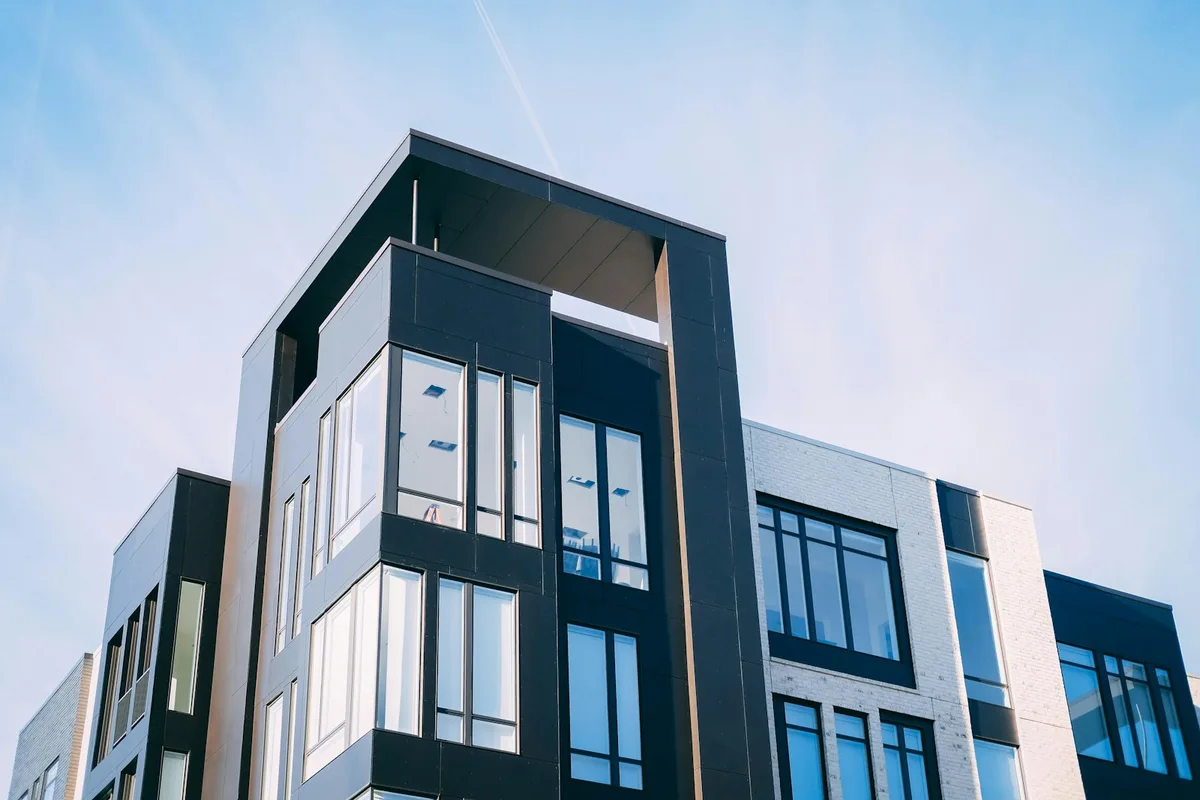
A BTR building is a purpose-built residential block, typically 50 to 500+ apartments, held as a single asset by a single owner and leased to individual tenants on residential tenancy agreements. A professional property management team runs it, providing on-site services: gym, concierge, common areas, sometimes co-working.
Three things separate the economics from traditional residential. The building sits on one title, or a single bundle of titles, rather than being strata-divided into individual lots. Income is optimised at the building level, not apartment by apartment, so tenant retention, amenity and service quality drive the returns. And the asset is sized for institutional ownership, which means private capital gets in mainly through indirect vehicles.
1 Why Australia Was Late to BTR
Three structural factors held Australian BTR back against the US and UK.
Tax treatment
Until recent reforms, Managed Investment Trust (MIT) tax rules penalised BTR. Withholding tax on foreign investors in MITs holding residential property ran at 30%, against 15% for commercial property held by MITs. That gap made BTR uncompetitive for foreign capital.
Strata conversion economics
Australian residential development has long paid best on a strata-conversion basis: build the apartments, sell each one individually, and bank the development margin in years one to three. The hold-and-rent model takes 7 to 12 years to produce comparable returns and calls for a different approach to capital allocation.
Lender appetite
Major banks have shown limited appetite for BTR. The single-asset residential income model does not fit standard commercial lending criteria, and the LVR caps and ICR tests typical for BTR are tighter than for traditional commercial.
2 The 2023-2024 Tax Reform
Federal Government reforms enacted in 2023-2024 cut the MIT withholding tax rate on BTR investments to 15%, matching commercial property treatment. The lower rate applied to eligible BTR developments meeting specific design and affordability criteria.
Activity has accelerated since. Mirvac, Greystar, Local, Frasers, GPT, Charter Hall and AMP have advanced or completed major BTR projects, and the pipeline keeps growing.
3 BTR Operating Economics
Income
Rent comes from individual tenants, usually on 12-month leases, though some buildings offer flexible terms. Premium positioning supports premium rents, and amenity and service quality drive tenant retention.
Operating expenses
These run higher than traditional residential. On-site staffing covers the building manager, concierge and leasing. Common areas such as the gym, lobby and co-working spaces need maintaining. Each building runs its own marketing and leasing programs, and the finishes and equipment are specified higher.
Net operating margin typically runs 55% to 70% at stabilised occupancy, against 70% to 85% for traditional residential portfolios.
Capital expenditure
These buildings are built for institutional hold periods of 20 to 50+ years, so reinvestment in finishes, amenity and equipment is ongoing.
4 Lender Appetite
Major Australian commercial lenders have been building BTR capability gradually. LVR caps typically sit at 60% to 65% on stabilised BTR, with ICR requirements aligned to commercial standards. Specialist non-bank lenders add capacity at higher rates.
For developers, construction finance for BTR is more constrained than for build-to-sell residential, which reflects how lenders view the take-out path.
5 Private Investor Access
Owning a BTR asset outright at building scale is institutional territory. Private investors reach it a few other ways.
Listed property funds
Mirvac (MGR.ASX) is growing BTR exposure within its broader business, GPT Group (GPT.ASX) has BTR in development, and Stockland (SGP.ASX) is in the mix. Listed exposure gives you liquidity but brings market-price volatility with it.
Unlisted property syndicates
Some unlisted property funds offer fractional ownership in a single BTR asset or a BTR-focused portfolio. Manager track record, fund structure and the exit mechanism are the main things to weigh.
Co-investment
Larger family offices and family-office syndicates have co-invested alongside institutional BTR developers. That typically takes a substantial ticket size and a relationship with the development manager.
Equity in BTR-focused REITs
Several Australian REITs run specific BTR strategies. Listed access is straightforward, though the BTR exposure is only a portion of the REIT's broader portfolio.
6 Where BTR Fits in a Private Portfolio
BTR gives private investors exposure to residential rental income at institutional scale, with professional operators running the building. Set against direct residential ownership, the trade-offs are clear.
- Lower direct yield. BTR net yields typically sit below direct residential after fees.
- Lower operating burden. No tenant management, no per-property maintenance.
- Different risk profile. Building-level vacancy and operating-cost risk replaces the tenant-default risk of an individual property.
- Liquidity through indirect vehicles. Listed exposure trades daily; unlisted comes with fixed terms.
Frequently Asked Questions
Is BTR available to SMSF investors?
Direct asset ownership is institutional in scale, so it is out of reach. Listed REIT and unlisted syndicate exposure is open to SMSFs, subject to the standard SMSF rules.
Will BTR ever match US scale in Australia?
The current pipeline points to substantial growth, but probably not US-scale per capita over the next decade. The strata-conversion model remains structurally embedded in Australian residential development.
How does BTR compare to traditional residential as an inflation hedge?
BTR rents reset annually, sometimes more often, at market rates, which gives responsive inflation pass-through. Building-level operating costs inflate too, so the net pass-through is partial.
What is the social-housing angle?
Some BTR developments include affordable-housing components tied to state government incentives or planning conditions. The MIT withholding tax reform required eligible developments to include affordable-housing apartments, and that mix affects the building's operating economics.