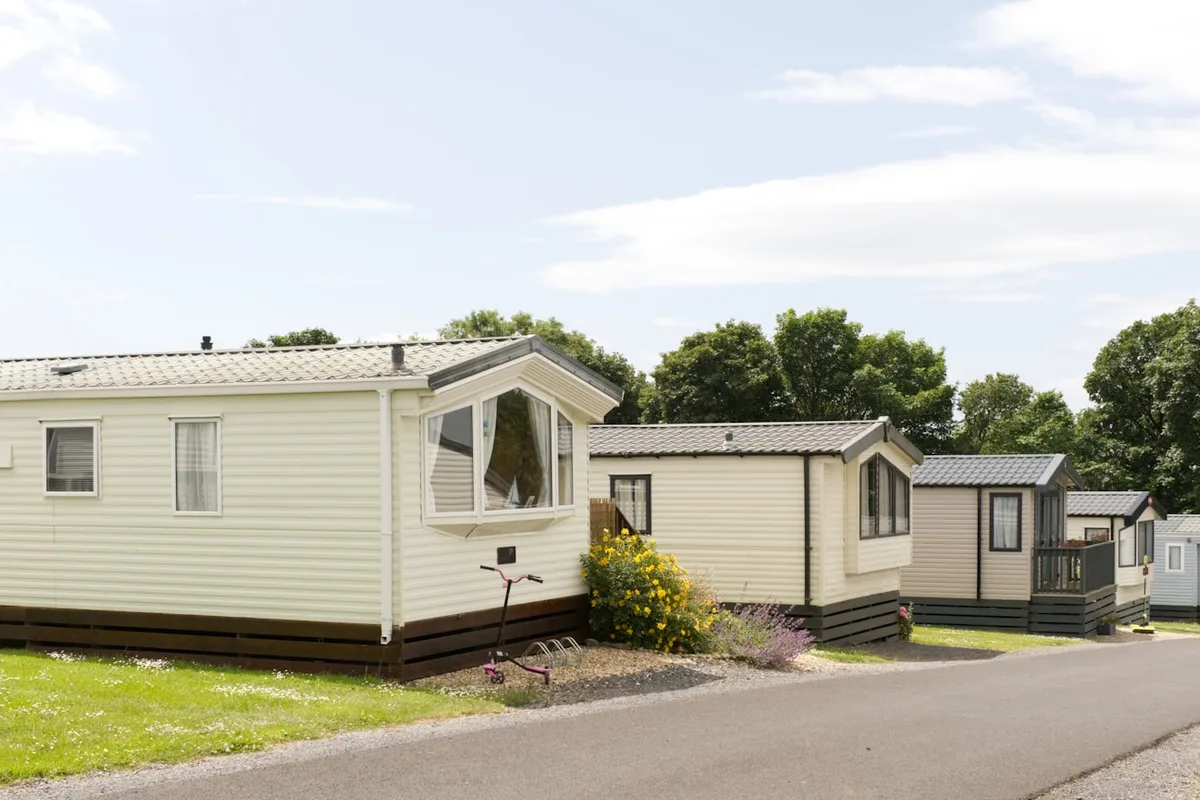
Caravan & Holiday Park Investment in Australia
Caravan and holiday park property has moved out of its long-time niche and into an actively traded specialist commercial segment. Three forces pushed institutional capital in: post-2020 strength in domestic tourism, the consolidation of independent parks under listed and private operator groups, and rising demand from grey nomad and family caravan tourism. For a private investor in Australia, the available stock runs from single-park freeholds in the $3 million to $20 million range up to larger portfolio acquisitions.
A caravan park is real estate wrapped around a complex small business. The site lease, the manager, the seasonal pattern, the council overlay and the residency rules all pull on each other, and standard commercial due diligence misses most of what matters.
What a Caravan Park Property Is
The standard format is a 5 to 30 hectare site with a mix of:
- Powered and unpowered sites for travelling caravans and tents.
- Cabins or villas for short-stay accommodation.
- Long-stay sites (permanent residents in fixed caravans or movable dwellings).
- Common amenities (pool, camp kitchen, laundry, playground).
The split between short-stay tourist accommodation and long-stay residential is where most of the economic and regulatory weight sits.
1 The Operator Tiers
Major consolidators
Ingenia Communities (ASX-listed), G'day Group, BIG4 Holiday Parks, NRMA Parks, Discovery Parks. The listed, well-capitalised operators have driven most of the consolidation.
Regional operators
State-level park groups running 5 to 30 parks. The covenant is stronger than an independent, without the institutional-grade depth of the majors.
Owner-operators
Family-owned single-park or two-park operators. The covenant is the operator's own balance sheet, so rent coverage at park level is what you actually underwrite.
2 Two Investment Models
Freehold leased to operator
The investor owns the freehold and leases it to a caravan park operator on a long-dated triple-net agreement. The operator runs the customer-facing business and the landlord receives rent.
Freehold owner-operated
The investor owns the freehold and operates the park, either directly or through a management contract, combining property ownership with active business operation.
The two models carry very different return profiles and operational demands. Freehold-leased sits close to standard specialist commercial. Owner-operated is a small business with property attached.
3 The Long-Stay Residential Question
Many caravan parks carry a substantial long-stay component, with permanent residents on annual or long-term site agreements. That income is steadier than tourist accommodation, but it falls under specific state-level residential tenancy and caravan park regulation.
Residential park regulations
State regimes govern long-stay caravan park residencies: the NSW Residential (Land Lease) Communities Act 2013, the QLD Manufactured Homes Act, and provisions of the Victorian Residential Tenancies Act. Eviction procedures, site fee increases and resident rights are all state-specific.
Land lease communities
Some operators have shifted to formal land-lease community (LLC) structures, where residents own their dwellings and lease the site. LLCs behave differently from traditional caravan parks under regulation and have been actively developed by the major operators, Ingenia among them.
4 Seasonal Income Patterns
Tourist-park income is heavily seasonal across most Australian climates. Peak periods, school holidays, summer in the southern parks and winter in the tropical parks, generate the substantial majority of annual revenue. Shoulder and off-season can run at occupancy of 20% to 40%.
The buyer-side review should read 36 months of monthly revenue to understand:
- The seasonal peak-to-trough ratio.
- The trajectory of underlying demand, separated from year-on-year weather and event effects.
- The operator's rent coverage at the seasonal trough.
5 Council and Planning Considerations
Caravan park planning is administered at council level, with state overlay regulations on top. The specific use class (caravan park, manufactured home estate, tourist park) sets what activities are permitted and what changes can be made.
Flood and bushfire overlays
Many caravan parks sit in flood-prone or bushfire-risk locations: riverside, coastal, semi-rural. Overlay status feeds directly into insurance availability, capex requirements and the approval pathway for any expansion.
Expansion and density
Adding sites or cabins usually needs a council development application, and that pathway can be substantial. Existing density is often the practical ceiling.
6 Yields and Pricing
Major-operator long-WALE caravan park freeholds trade at yields wider than mainstream commercial. Owner-operated parks trade at headline yields that reflect the operating-business risk, and the multiple over net cash flow is the principal valuation tool.
7 Buyer-Side DD Steps
- Lease abstract (for leased model). All terms, options, reviews, outgoings, capex obligations.
- Operator covenant. Audited financials, rent coverage, parent guarantee.
- Park financials. 36 months of monthly P&L, occupancy patterns, revenue mix between short-stay and long-stay.
- Resident agreements. Long-stay site agreements, fee structures, regulatory compliance.
- Council consent. Use class, number of approved sites, conditions of approval.
- Site condition. Independent inspection of infrastructure (water, power, sewerage), buildings, amenities.
- Environmental overlays. Flood, bushfire, contamination history.
- Comparable sales. Recent park sales by operator tier and submarket.
Frequently Asked Questions
Is a caravan park suitable for an SMSF?
It comes down to the standard SMSF rules. Owner-operated park ownership generally does not fit, because the fund would be running an active business. Freehold-leased to a major operator can work, subject to the single-acquirable-asset rule and the in-house asset rule.
What about the manufactured home / land lease conversion?
Converting to a land lease community structure is a substantial regulatory and physical project. It changes the asset's investment characteristics, and the major operators have pursued this conversion across portfolios.
How does climate exposure affect parks?
Many caravan parks sit in physically exposed locations. Climate-related insurance availability and capex costs have risen materially in recent years. The buyer-side review should confirm current insurance status and the capex trajectory.
What's the typical hold period?
Institutional holds of 7 to 15 years are common, often carried through an operator-lease renewal or a repositioning. Owner-operated holds vary widely.