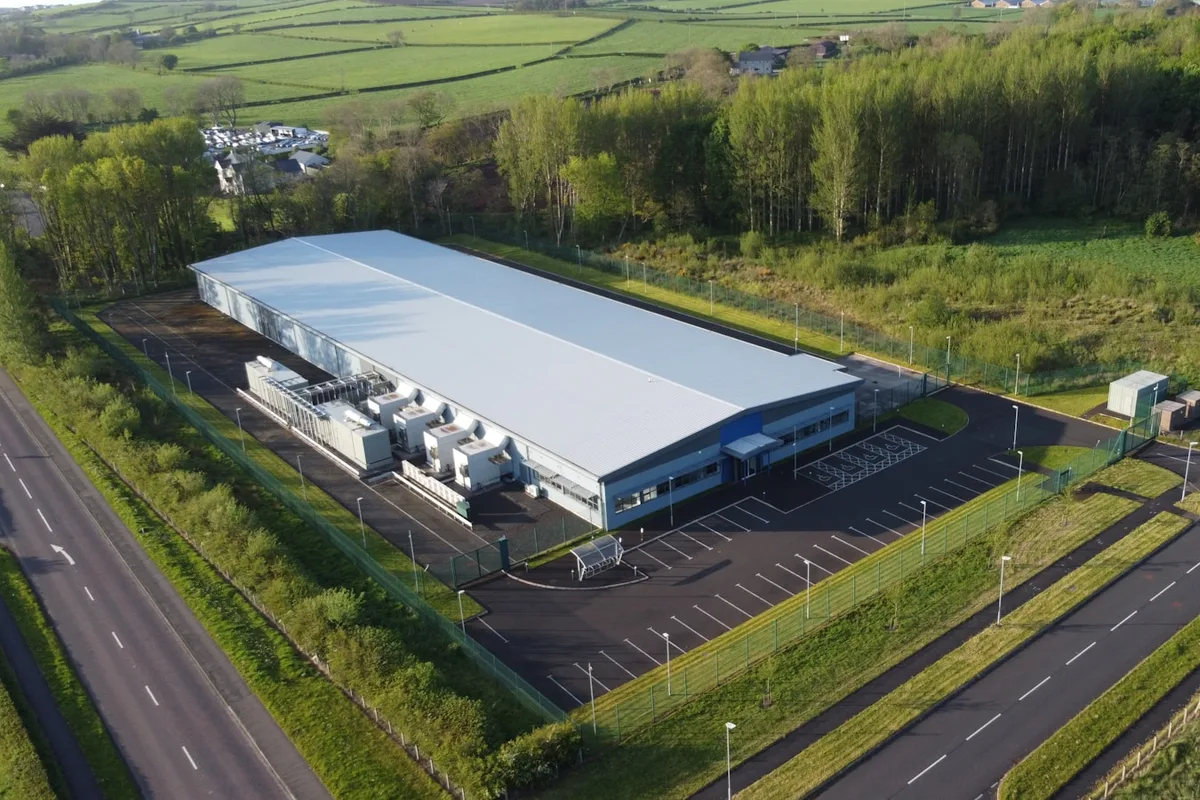
Data Centre Real Estate Investment in Australia
Data centre real estate has been one of the highest-growth commercial property segments globally for the past decade, and it remains among the most actively bid asset classes in Australia. Four forces have driven both cap rate compression and heavy development activity: cloud computing demand, AI-driven workload growth, the post-2020 acceleration of digital infrastructure spending, and a limited supply of power-connected sites.
Direct exposure is hard for private investors to get. Most institutional-grade stock sits with REITs (Goodman, Stockland, Charter Hall), global infrastructure funds, or specialist data centre REITs (NextDC, AirTrunk, and globally Digital Realty and Equinix). Where private capital can get in is at the smaller end: colocation facilities, edge data centres, and specific syndicated investments.
Data centre real estate is more infrastructure than property. Power supply, cooling, fibre connectivity, and operator covenant are the principal value drivers. The building is the wrapper; the operational complex inside is the asset.
The Three Principal Data Centre Types
Hyperscale
Purpose-built for a single cloud tenant: AWS, Microsoft Azure, Google Cloud, Oracle, Meta. Power capacity typically runs 30 to 200+ MW, leases carry very long WALE, and the capital required is institutional-scale. At the asset level these are largely out of reach for private investors.
Colocation
Multi-tenant facilities where enterprise and SME customers lease cabinet, cage, or partial-room space. Operators include NextDC, AirTrunk (acquired by Blackstone), Equinix, and Digital Realty in Sydney and Melbourne. Private investors can sometimes get in through the secondary market or syndicated investments.
Edge data centres
Smaller facilities, typically 1 to 5 MW, sited closer to end users to support low-latency applications. The capital requirement is lower, and private-investor access is opening up as the segment grows.
1 The Power Question
Power supply is the single biggest constraint on data centre development. Three components matter.
Connection capacity
This is the local grid capacity at the site. New data centre developments routinely need major grid upgrades, and connection can take 3 to 7 years for a large new facility. An operational facility with an established connection carries substantial value from that connection alone.
Cost
Electricity is the largest operating expense a data centre carries. Where wholesale electricity pricing goes directly shapes operator economics.
Source
Hyperscale tenants increasingly demand renewable-sourced power. Power purchase agreements (PPAs) with solar and wind generators, on-site solar, and green energy certificates are all common structures. A facility without a credible renewable pathway is at a growing disadvantage when it comes to winning hyperscale leases.
2 Lease Structures
Hyperscale leases
Long WALE of 15 to 30 years, triple-net, backed by strong creditworthy tenants. Rent is usually struck per megawatt or per room, with fixed annual increases. The tenant operates the IT environment; the landlord provides the power, cooling, and connectivity infrastructure.
Colocation leases
Shorter contracts, 1 to 5 years for an individual customer, sitting over a longer underlying facility lease. The operator runs the multi-tenant environment, and the property investment is the building and its infrastructure.
3 Building Specification
A data centre is specialised infrastructure, not a standard commercial building:
- Power infrastructure. Substation, distribution, redundancy (typically N+1 minimum, often 2N for hyperscale), UPS systems, backup generators.
- Cooling. Chillers, cooling towers, hot/cold aisle containment, increasingly liquid cooling for high-density compute.
- Connectivity. Fibre entry points, redundant fibre paths, on-site cross-connect infrastructure.
- Floor and structure. Raised floor (older facilities), slab-on-grade with overhead distribution (modern), high static load capacity.
- Security. Multi-layer physical access control, biometric, surveillance, often facility certification.
4 The Power Usage Effectiveness Question
Power Usage Effectiveness (PUE) is total facility energy consumption divided by IT equipment energy consumption. The lower the number, the more efficient the cooling. Modern hyperscale facilities target a PUE of 1.2 to 1.3; legacy enterprise facilities can sit at 1.6 to 2.0.
A lower PUE means more usable IT capacity per megawatt of grid connection, and that is a core economic driver. Facilities stuck with structurally high PUE will either shed tenants or face costly cooling upgrades over the lease term.
5 The AI Workload Effect
AI training and inference workloads have pushed compute density per rack up sharply. Traditional data centres designed for 5 to 10 kW per rack are being upgraded or rebuilt for 30 to 100 kW per rack. That changes several things:
- Cooling infrastructure has to handle far higher heat loads.
- Power density per square metre rises.
- Legacy facilities need capex to carry AI workloads.
- Greenfield development for AI-specific facilities is speeding up.
6 Buyer-Side Access Pathways
Direct asset acquisition
Generally restricted to institutional-grade buyers. Mid-market colocation and edge data centre acquisitions are within reach at private-investor scale, but they demand specialist DD.
Listed REIT exposure
NextDC (NXT.ASX), Goodman Group (GMG.ASX, partial data centre exposure), Charter Hall industrial trust (CHC). Listed exposure gives you liquidity but brings market-price volatility uncorrelated with the underlying asset performance.
Syndicated investment
Some property syndicators offer fractional ownership in data centre assets. Do specialist research before committing.
Private credit
Lending to data centre developers through private credit funds. A different risk profile from equity ownership.
7 Yields and Pricing
Hyperscale-tenanted data centres trade at among the tightest yields in the global commercial property market. Australian institutional data centre yields are competitive with Singapore and Tokyo equivalents. Colocation and edge data centre yields trade wider, reflecting operating complexity and lower covenant.
Frequently Asked Questions
Can a private investor realistically buy a data centre?
Direct asset acquisition runs into minimum ticket size (typically $50 million+) and the specialist DD it requires. Edge data centres and smaller colocation facilities are more accessible. Syndicated and listed exposures give you another way in.
How does the AI workload affect existing assets?
Legacy facilities need capex to carry higher-density compute. The cost and timeline turn on the building specification: modern facilities have more capacity to upgrade than legacy ones.
Is the segment supply-constrained?
Yes, principally by power supply. Greenfield development cycles of 5 to 7 years mean supply lags demand materially. That supply constraint is the structural reason for sustained yield compression.
What about the environmental cost?
Data centre energy consumption is substantial and growing. Operator commitments on renewable power, water-efficient cooling, and heat reuse increasingly weigh on tenant decisions. Moving to renewable-sourced operations is a major capital and operational program.