Industrial Property Investment
Industrial property investment has become one of the strongest plays in Australian commercial real estate. Over the past decade, structural shifts in how goods are stored, moved, and delivered have driven strong rental growth, tightening vacancy, and sustained investor demand. If you want reliable income, long lease terms, and lower management intensity than office or retail, industrial assets deserve serious consideration.
The forces behind that performance are structural, not cyclical, which is what separates industrial from asset classes that ride the interest rate cycle up and down.
1 Why Industrial Is Booming
Demand for industrial space is not riding a cycle; it is structural. A handful of long-term trends keep warehouse, logistics, and distribution space in demand across Australia's major markets.
- E-commerce and logistics. Online retail has rewritten supply chain requirements. E-commerce fulfilment needs approximately three times more warehouse space per dollar of revenue than traditional bricks-and-mortar retail, because stock has to be stored, picked, packed, and dispatched from distribution centres rather than sitting on shopfront shelving.
- Last-mile delivery. Fast-delivery expectations have created demand for smaller distribution facilities closer to population centres. These last-mile facilities support same-day and next-day delivery and are keenly sought in inner and middle-ring metropolitan locations where land is scarce.
- Cold storage and food logistics. Online grocery, meal kit delivery, and pharmaceutical distribution have pushed up demand for temperature-controlled warehouse and logistics facilities. Cold storage is capital-intensive to build, which limits new supply and supports rental growth for existing facilities.
- Supply chain resilience. Recent disruptions have pushed many businesses to hold more inventory, shifting from just-in-time to just-in-case supply chain models. More stock on hand means more warehousing space required.
None of these trends looks likely to reverse. The move towards e-commerce, faster delivery, and supply chain resilience is a decade-long structural shift, not a temporary adjustment.
2 Types of Industrial Property
Industrial covers several asset types, each with its own building characteristics, tenant profile, and investment considerations.
Warehouse and Distribution
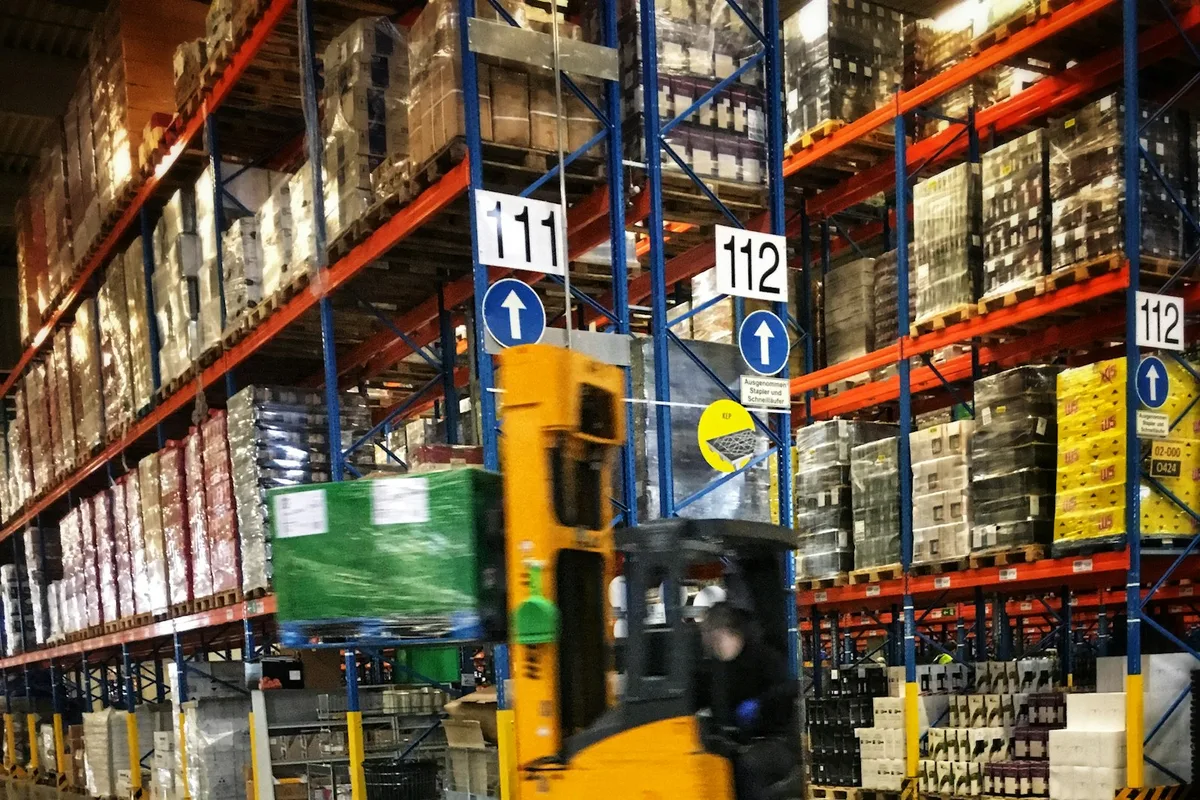
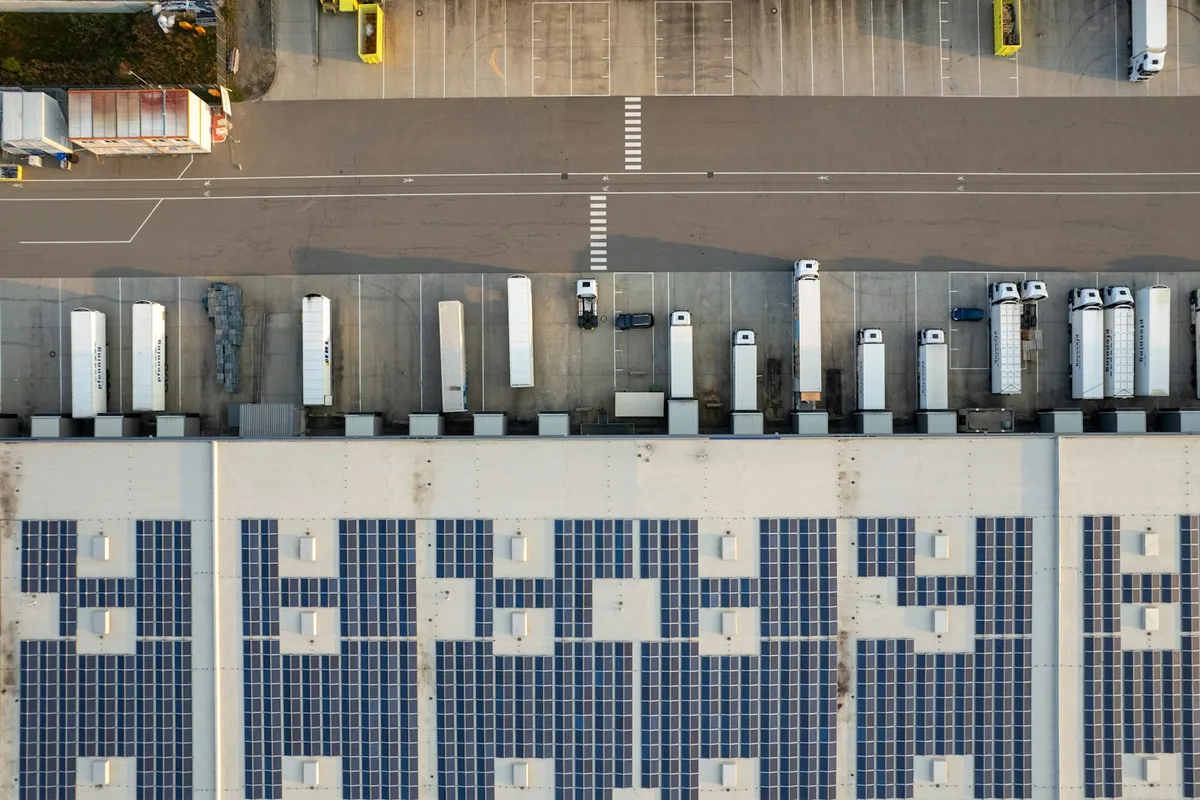
The core of the sector: large-format buildings used for storing and distributing goods. They usually run high internal clearance heights (often 10 metres or more), large floor plates, multiple loading docks, and hardstand areas for truck manoeuvring. Tenants are typically logistics companies, wholesalers, and retailers running distribution centres.
Logistics and Fulfilment Centres
Purpose-built for high-throughput distribution, often with automated systems, conveyor networks, and sophisticated warehouse management technology. These tend to be larger assets leased to major logistics operators or national retailers on long-term leases.
Manufacturing
Buildings fitted out for production processes: specialised power supply, heavy floor loading capacity, extraction systems, and specific building configurations. Manufacturing tenants can sign long lease terms, but the buildings are often specialised, which shrinks the pool of alternative tenants if they leave.
Flex Space
Smaller industrial units that pair warehouse or workshop space with an office component. Common in suburban industrial estates, they appeal to small and medium businesses. Yields usually run higher than larger logistics assets, but lease terms are shorter and tenant turnover higher.
3 Lease Structures
Industrial leases in Australia generally favour the landlord more than office or retail leases do, particularly on larger assets.
- Net leases (NNN). Most industrial leases are structured as net leases, where the tenant carries all outgoings including council rates, water, insurance, land tax, and maintenance. The rent the landlord banks sits close to net income, with minimal deductions for operating costs.
- Long WALE. Weighted average lease expiry (WALE) is a key metric in industrial investment. Many tenants sign leases of five to ten years or longer, particularly for purpose-built or fitted-out facilities. A long WALE gives income certainty and is prized by lenders and subsequent purchasers.
- Annual rent reviews. Leases commonly build in fixed annual rent increases (typically 3% to 4% per annum) or CPI-linked reviews, which makes income growth predictable. Market rent reviews are less common but can occur at option renewal points.
- Make-good obligations. Tenants are generally required to return the premises to their original condition at lease expiry, which spares the landlord inheriting a specialised fit-out that may not suit the next tenant.
4 Yield Comparison
Industrial yields have compressed significantly over the past decade as investor demand for the sector has grown. Even so, industrial assets still generally offer yields that are competitive with or better than other commercial asset classes, particularly once you adjust for management intensity and lease risk.
As a rough guide, typical yield ranges across Australian commercial property look like this:
- Industrial: 4.5% to 6% for prime assets in major metropolitan markets, with higher yields available for secondary assets or regional locations.
- Office: 5% to 7% for metropolitan fringe and suburban assets, with CBD yields generally lower for prime grade.
- Retail: 5.5% to 7% for neighbourhood and sub-regional centres, with significant variation depending on tenant mix and lease profile.
Tight yields on prime industrial reflect what the market thinks of the sector: strong fundamentals, low vacancy, structural demand growth, and landlord-friendly lease structures. Be wary of chasing yield in secondary locations without first understanding the tenant demand and supply dynamics behind it.
5 Key Locations
Industrial property investment in Australia clusters in a handful of well-established corridors, all close to ports, airports, major road networks, and population centres.
- Sydney Western Corridor. The stretch from Eastern Creek through to the emerging Western Sydney Aerotropolis is Australia's largest and most active industrial market. It sits near the new Western Sydney International Airport, the M7 and M4 motorways, and a large labour catchment. Land values have risen substantially, but demand remains strong.
- Melbourne West. The western suburbs from Laverton through to Truganina, Derrimut, and Ravenhall form Melbourne's primary industrial precinct, close to the Port of Melbourne, the Western Ring Road, and established logistics infrastructure.
- Brisbane Trade Coast. Built around Brisbane Airport, the Port of Brisbane, and surrounding suburbs. It is Queensland's premier industrial location, backed by major transport infrastructure and a growing population base.
- Perth. Key precincts include the Kewdale-Welshpool corridor near Perth Airport and the southern corridor through Canning Vale and Rockingham. Perth's industrial market moves with the resources sector and the state's role as a gateway to Asian markets.
6 What to Look For in an Industrial Asset
Not every industrial building is worth the same money. Its physical characteristics drive how appealing it is to tenants and how it performs over the long run.
- Hardstand area. Enough hardstand (sealed external area) is essential for truck access, container storage, and loading operations. A generous hardstand-to-building ratio makes a property more versatile and widens the tenant pool.
- Internal clearance height. Modern logistics operations need height to stack vertically. A minimum of 10 metres clear height is generally expected for warehouse and distribution use, with newer facilities often offering 12 to 14 metres or more.
- B-double access. Room for B-double truck combinations (up to 26 metres in length) matters to logistics tenants. That means adequate turning circles, driveway widths, and road access from arterial routes that permit B-double movements.
- Power supply. Manufacturing and cold storage tenants in particular often need significant power capacity. A property with high-amperage three-phase power is far more versatile than one with limited electrical infrastructure.
- Loading docks and door configuration. The number and type of loading facilities (recessed docks, on-grade roller doors, or a combination) determine which logistics operations a building suits. Recessed docks allow direct loading from truck trailers, which is preferred for high-volume distribution.
7 Tenant Quality Assessment
Tenant quality and financial strength is a make-or-break factor in industrial investment, particularly for single-tenant assets where vacancy means zero income.
Weigh the financial health of the business, how essential the location is to their operations, their track record as a tenant, and the broader outlook for their industry. A national logistics operator on a ten-year lease presents a very different risk profile to a small manufacturing business on a three-year term.
For listed companies or large private enterprises, published financial statements, credit ratings, and industry analysis all provide useful inputs. For smaller tenants, look at how long they have been there, what they have invested in the fit-out, and whether the location is central to their operations or easily replaceable.
A property is only as reliable as the tenant paying the rent. Skip a thorough tenant assessment and you are guessing at the risk of the whole investment.
8 Risks to Understand
Industrial property carries its own risks, and each one has to be assessed and managed.
Contamination
Industrial sites can carry a history of activity that has contaminated soil or groundwater, especially former manufacturing, fuel storage, or chemical handling sites. Contamination can create significant remediation liabilities and limit your ability to redevelop or repurpose the site. Run a Phase 1 environmental site assessment as part of due diligence for any industrial acquisition.
Functional Obsolescence
Older industrial buildings may not meet the specifications modern logistics tenants demand: low clearance heights, insufficient power, poor truck access, or inefficient floor plates. They may still be income-producing, but they face a higher risk of vacancy or reduced rental growth as tenants increasingly demand modern specifications.
Single-Tenant Risk
Many industrial properties are leased to a single tenant. That simplifies management, but it makes income binary: the property either generates full rental income or none at all. You manage single-tenant risk by focusing on assets with strong tenants, long remaining lease terms, and buildings that would re-let easily if the tenant left.
9 Entry Points for Investors
You can get into industrial property at a range of price points, from small strata units to large-format logistics facilities.
- Strata industrial units. Small warehouse or flex units in industrial estates can be acquired from approximately $300,000 to $800,000, depending on location and size. An accessible way in, though you take on strata management considerations and typically shorter lease terms.
- Stand-alone industrial buildings. Mid-sized stand-alone assets in metropolitan fringe locations typically range from $1 million to $5 million. Freehold ownership, with greater control over the asset and its management.
- Large-format logistics. Purpose-built logistics facilities in prime locations can command prices well above $10 million. These assets are typically acquired by institutional investors or well-capitalised private groups and offer the longest lease terms and strongest tenant covenants.
- Industrial syndicates and funds. For exposure to the sector without direct ownership, a range of unlisted and listed industrial property funds and syndicates are available in Australia.
The right entry point depends on your capital base, borrowing capacity, investment objectives, and appetite for management involvement. There is no single correct approach. What matters is that the asset you acquire meets your specific investment criteria and has been through thorough due diligence.
How Bold Can Help
We help investors find, evaluate, and acquire industrial property across Australia's major markets. Our approach combines market research, off-market sourcing, detailed financial analysis, and coordinated due diligence, so every acquisition decision is well-informed and aligned with our client's investment strategy.
If industrial property is on your radar for the portfolio, we are happy to talk through the opportunities available now and how we can support your acquisition.