Veterinary Clinic Property Investment in Australia
Veterinary clinic property has become one of the more active specialist commercial niches over the past five years. Three forces have pushed institutional capital into clinic real estate: sector consolidation, with national veterinary groups buying up independent clinics; rising household spend on pets; and a pet-owning population that holds up through the cycle. For private investors, the stock runs from single-vet practice freeholds in the $1.5 million to $4 million band up to consolidated chain-tenanted properties at larger ticket sizes.
A vet clinic is a specialist, medical-adjacent asset, and the whole investment turns on one question. Not whether vets exist as a category, but whether the specific operator, or the consolidator that acquired them, is the tenant paying rent for the next 10 to 20 years.
The Sector Consolidation Story
The Australian veterinary services market has consolidated substantially since 2015. National and international groups, among them Greencross Vets, VetPartners, National Veterinary Care, BFG Pet Care and AVRL, have bought hundreds of independent practices between them, and that changes the covenant behind the rent. Before consolidation, an independent owner-vet runs the clinic and the practice entity pays the rent, so the covenant is the operator's personal balance sheet. After it, a national group has acquired the practice and signed a long-dated lease, so the rent, and the covenant, sits with the group.
For a property investor, consolidation has generally improved covenant strength on tenanted vet properties. The trade-off is yield compression, as institutional buyers competed for the post-consolidation stock.
1 The Operator Covenant Hierarchy
Major consolidators
Greencross Pet Wellness Company (private), VetPartners (private equity-backed), National Veterinary Care (acquired by VetPartners), BFG Pet Care and AVRL. These are strong covenants sitting on substantial private balance sheets, with rent obligations supported by network cash flow.
Regional consolidators
State-level or specialty consolidators running 5 to 30 clinics. Stronger covenant than an independent, but without the institutional-grade depth of the major consolidators.
Independent practices
Owner-vet operators of single or two-clinic practices. The covenant is the operator's own balance sheet, and rent coverage at the practice level is the practical underwriting.
2 Lease Structures
Typical terms
Expect a 10 to 15 year initial term with options to renew. Rent reviews are usually fixed annual increases of 3.0% to 3.5%, or CPI plus a minimum. Outgoings recovery is structured as net or near-net.
Fit-out and equipment
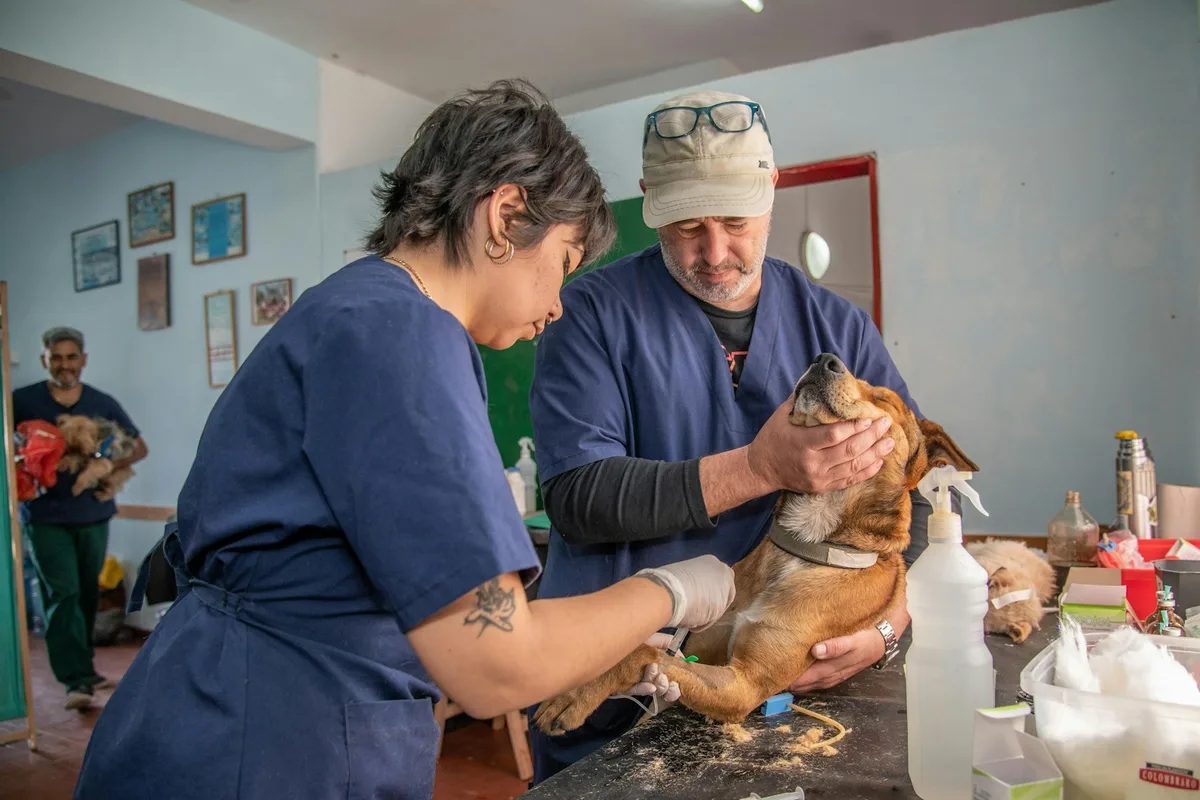
Veterinary fit-outs are substantial: consulting rooms, surgical suite, dental, imaging, kennels. The tenant typically installs the fit-out and removes it at lease end. Make-good obligations can be material, and specialist equipment removal and biological waste decontamination are common provisions.
3 Catchment Demand
Pet ownership demographics
Pet ownership rates in Australia are among the highest in the world. The 2024-2025 census data and the Animal Medicines Australia surveys give you reliable catchment-level demand drivers to work from.
Demographic drivers
- Household density within a 5 to 10 km catchment.
- Average household income (pet spend correlates with income).
- Apartment versus house mix (cat versus dog mix and per-capita pet population vary).
- Competing clinics within the catchment.
4 Building Specification
Modern veterinary buildings carry specific infrastructure: surgical theatres, dental rooms, X-ray and ultrasound suites, animal accommodation (kennels and cattery), isolation rooms for infectious cases, and specialised waste disposal. Converting from standard commercial use is possible but expensive.
Buyer-side review should cover:
- Ventilation and HVAC adequacy for surgical and isolation areas.
- Plumbing for treatment rooms and animal accommodation.
- Acoustic insulation between consulting rooms and animal accommodation.
- Parking adequacy for clients with pets.
- Council consent for veterinary use (a specific use class in most councils).
5 Yields and Pricing
Consolidator-tenanted long-WALE vet properties price at the tighter end of the specialist commercial yield spectrum. Independent-vet-tenanted shorter-WALE properties trade meaningfully wider. The covenant premium between the two tiers can run 100 to 200 basis points.
6 Buyer-Side DD Steps
- Lease abstract. All terms, options, reviews, outgoings, make-good, fit-out responsibility.
- Operator covenant. For a consolidator tenant: parent financials, rent coverage at network level. For an independent: practice financials, owner's personal balance sheet.
- Practice operating metrics. Client list size, patient volume, revenue trajectory.
- Catchment analysis. Pet ownership demographics, competing clinics, council planning constraints on new vet developments.
- Building condition. Independent inspection covering surgical infrastructure, HVAC, plumbing.
- Planning and use approval. Council consent for veterinary use, any conditions, waste disposal compliance.
- Comparable sales. Recent veterinary clinic sales by covenant tier.
Frequently Asked Questions
Will the sector consolidation continue?
It has slowed from the peak-acquisition years but continues. Independent clinics in attractive markets are still acquisition targets for the major groups. For a property investor, the practical question is whether your existing tenant is independent (higher refinance and covenant risk) or a consolidator (institutional-grade covenant).
Is veterinary property suitable for an SMSF?
Generally yes, subject to the standard SMSF and LRBA rules. The long-WALE terms, a strong consolidator covenant where it applies, and predictable rent structures are what make it a fit.
What happens if the tenant departs?
The specialist fit-out constrains the building's alternative use. Conversion to medical consulting or office use is possible but expensive. Re-leasing to another veterinary operator is the cleanest exit, though the replacement vet covenant pool is narrower than for general retail.
Are vet clinics affected by the rise of telehealth?
Most clinical work needs a physical examination. Telehealth has some applications, such as follow-up consultations and simple advice, but it does not replace the core consultation model. The impact on property demand is limited.